Introduction
Poorly structured teams cost UK businesses more than most leaders realise. Duplicated responsibilities, unclear reporting lines, and misaligned priorities quietly drain productivity—sometimes for years before anyone tackles the root cause.
Structuring internal teams for better efficiency in UK firms isn't just an HR matter; it's a strategic choice that affects how swiftly your firm adapts to market dynamics, how effectively your team works together, and ultimately how profitable you become.
This article explores three core areas: designing coherent team structures, aligning roles with business strategy, and when to seek outside expertise. Whether you manage a 20-person SME or oversee functions in a larger enterprise, implementing these practical strategies can lead to tangible improvements.
Building Clear Frameworks for UK Firms
Most inefficiency issues stem from structural ambiguity. When employees are uncertain about ownership, tasks end up duplicated or ignored altogether. A robust framework removes that uncertainty.
Establish Clear Ownership at All Levels
Begin by evaluating your team structure honestly—not on an org chart, but in actual operational decision-making. You might discover that a senior director is approving actions that a team supervisor could delegate or two teams are performing overlapping tasks that could be combined. Once these bottlenecks are identified, designate clear ownership.
- Appoint accountable persons for routine operations
- Formalize decision authority to prevent unnecessary escalations
- Review those designations quarterly, especially after staff changes
Such clarity significantly reduces unnecessary communication loops. Teams operate more swiftly when everyone understands who is responsible for what—saving everyone time and reducing errors.
Organise Informed Team Clusters
Collective grouping by function alone isn't always strategic. Cross-function collaborative units—small teams centred on a particular product, client, or project outcome—can outperform traditional departmental divisions, especially where projects dominate.
Successful UK financial services and consultancy organisations have trialled this approach in pilot clients before implementing it broadly.
- Create outcome-oriented teams rather than activity-oriented roles
- Limit the size of cross-functional groups to 5-8 staff members for nimbleness
- Use shared performance metrics to unify purpose
Connecting Roles to Business Strategy
As much as a clear org chart helps, it won't matter if actual jobs aren't aligned with strategic aims. Role clarity is one thing; aligned relevance is another.
Re-evaluate Responsibilities in Context of Strategies
Changes in company strategy often leave roles stagnant. Performing a periodic role review can reveal jobs that predate current strategic initiatives. It might require reshuffling skill sets, redefining duties, or updating scope outlines, making each team's direct contributions more transparent.
- Review job duties each year in conjunction with strategic planning exercises
- Highlight jobs where output isn't measurable or associated with a goal
- Involve staff in redefining scope—each can provide clarity by sharing their insights
Develop Measurable Performance Standards
Building everything else on expectations without measurable results breeds performance issues. Instead of instructing a team to "enhance customer experience", specify the specific indicators—the first contact time, resolution speed, and satisfaction level—to target.
Defined targets provide guidance and a tangible basis for assessment discussions.
- Set clear quarterly objectives with tools like OKRs
- Connect team-level successes back to department objectives
- Share performance information transparently so teams can self-adapt before needing intervention
When team members understand how their roles directly support overarching strategy, commitment tends to increase.
When Outsourcing Can Strengthen Your Internal Framework
Not every task must be handled in-house. Many UK firms cling to internal duties out of economism when a rational decision could see that work handled externally, slashing costs and liberating talented staff for higher-value endeavours.
Isolate Functions Ripe for External Partnership
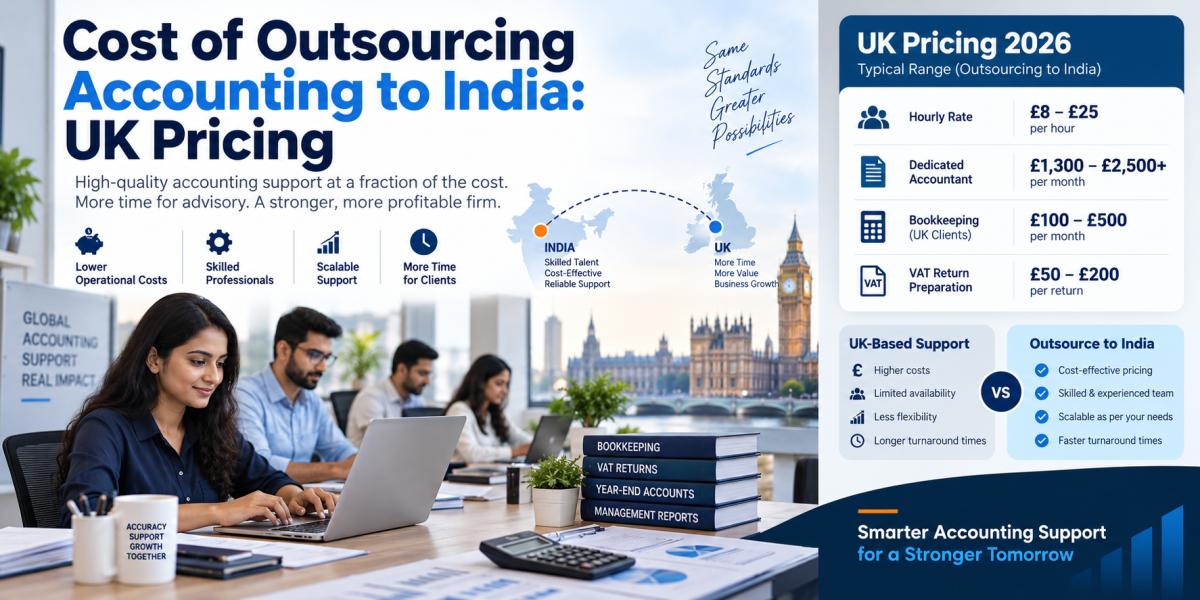
Certain operational jobs make sense to subcontract—back-office accounting, information technology support, human resource processes, and general customer care are easier to outsource than you might think. Transformation at the utility level allows internal groups to focus on core skills and servicing customers personally, shaped by specialist providers like Exuberant Global.
Partnering with able external experts doesn't diminish your structural integrity; it smoothens it by offloading non-core responsibilities.
- Assess processes that draw excessive internal resources relative to their strategic contribution
- Embark with low-volume, repetitive activities for the first step of accounting outsourcing.
- Maintain clear communication channels with outsource partners
Before investing in any external alliance, establish clear expectations to foster a collaborative relationship that reinforces your internal structure.
Synergize External Assistance While Retaining Aesthetic Cohesion
Outsourcing is most effective when external teams mirror your core values and standards. Synchronise bases of operation, include alignment points, and define escalation norms—this maintains coherence of overarching arrangements even when some processes shift outside.
Efficient Team Structuring for UK Firms
- Structural confusion is a primary offender behind inefficiency—create ownership protocols across a framework
- Create outcome-trained teams rather than traditionally focused ones
- Inspect roles psychologically with strategic revisions—they can be surprises in some
- Clarity of set performance goals prevents what-used-to-be-a-scenario
- Outsource nothing that doesn't thrive when handled externally
Exuberant Global builds nimble back-office support to keep up internal focus & control.
Conclusion
Maximising internal efficiency by structuring teams in UK companies is not a one-time exercise: it requires ongoing effort. The most efficient firms regularly reassess their team's architecture, making adjustments as the organisation scales, redefines its strategy, or market dynamics shift.
Beginning with solid ownership, aligning roles to real business objectives, and being realistic about what should remain internally controlled as opposed to what is more suitable for outsourcing will leave your organisation in a much better position.
The practical measures detailed here are more than possible without costly consultants or prolonged change projects. Small, considered shifts—rewriting a role description, creating a cross-functional pod, or engaging an agency such as Exuberant Global to provide back office support—all add together to cement operational improvements that resonate.
Start with one part, see the results, and then build from there. The framework you lay down now is what will support your growth later.
Ready to Scale Your Business?
Connect with our experts to learn how our outsourcing solutions can drive growth.
Book a Discovery Call