Micro-Outsourcing for Small UK Firms
Every small UK business, the ones especially tight on cash, eventually runs into this problem. They really need skilled people, but let's be real, paying for full-time employees is just not happening. Think about it: all the overhead, the benefits package, those long-term contracts – none of that makes sense when your profit margins are razor-thin. And honestly, this issue just keeps getting worse, with all the economic craziness swirling around, yet everyone still has to compete. That's actually where micro-outsourcing becomes a surprisingly good answer. You can totally start small, like maybe 10 to 20 hours a month, which is super flexible. This means smaller companies can grab expert help without getting totally stuck with permanent staff. So, instead of having to pick between ridiculously expensive full-timers or just slogging through everything by yourself, there's a different path to build your team piece by piece. This whole setup is a huge win for freelancers, even smaller agencies and startups—basically anyone who needs specific skills for certain projects. It genuinely changes how small UK firms handle getting help, making professional assistance not just a possibility but actually within budget, no matter your business size.
Understanding Micro-Outsourcing for Small UK Firms
Micro-outsourcing is really nothing like what most folks imagine when they hear "outsourcing". You know, those big, clunky models that demand massive monthly commitments? This isn't that at all. This approach typically kicks off super small, like, shockingly small, and then just grows as your business actually needs it to. Companies can begin with just a few hours and then add more time as projects get bigger, or, this is the main part, as more money starts coming in.
Why Micro-Outsourcing for Small UK Firms Works
The best thing about this is seriously how flexible and scalable it is. Traditional outsourcing, and we're being honest here, often locks you into these huge contracts with minimum hour requirements that can absolutely crush a smaller business budget. Micro-outsourcing, though, actually just knocks down those barriers. You could, for instance, just kick off with maybe 10 hours a month for basic reception-type tasks. Later, when your marketing efforts really start paying off, then you might add another 15 hours for someone to manage your social media. This whole system works because it actually maps to how small businesses really run. Your cash flow isn't always steady, project needs can switch on a dime, and seasonal changes completely mess with your workload. So, instead of being tied to constant staffing costs, micro-outsourcing lets you adjust your support levels whenever it makes sense. That financial predictability? It's a lifesaver for managing your money, and you still get room to ramp up when things are totally hectic or scale back if things slow down a bit.
Cost Benefits of Micro-Outsourcing
So, small UK firms, they usually shell out somewhere between £25,000 and £35,000 yearly for a pretty basic entry-level full-timer. That's after you count in salary, National Insurance, pension contributions, and all those other little extras. Now, micro-outsourcing, even if you're using someone for 20 hours a month, might only cost you £800 to £1,200. It really just depends on the exact skills you're after. That's a massive difference in how much you save, and quite often, you're getting much higher quality work from seasoned specialists, too. You're basically buying access to expert knowledge by the hour, skills you just couldn't afford to have on staff full-time. So, a small marketing agency, for example, could get a top-tier graphic designer for 15 hours a month instead of hiring a junior designer full-time. The jump in quality often totally justifies that difference in their hourly rate.
Applications of Micro-Outsourcing for Small UK Firms
Micro-outsourcing, honestly, fits all sorts of small businesses really well, with each one grabbing unique benefits from this flexible staffing method.
Sole Practitioners
People working solo usually get absolutely swamped by administrative chores—the kind of stuff that pulls them away from actually earning money. Think of a freelance consultant; they might pass off 10 or 15 hours a month for things like putting proposals together, talking to clients, or just keeping their books in order. That frees up their time to really focus on client work, while still making sure all the other necessary things run smoothly and professionally. Even legal professionals can hand over tasks like research, document preparation, or scheduling appointments.
Small Agencies
Design studios and marketing companies often find their workload bounces around quite a bit; it totally depends on their clients. Micro-outsourcing comes in as a fantastic way to handle all that extra work without having to bring on permanent employees. A team of three, for example, might regularly outsource 20 to 30 hours a month for specific items, like copywriting or even some web development. This essentially lets them offer services that go way beyond their usual scope, beyond just their core expertise.
Startups
Early-stage companies? They get a massive advantage from micro-outsourcing. Why? Because it gives them professional capabilities while making sure they hang onto every single penny of their precious startup capital. A tech startup could outsource their customer service, make sure content is getting created, or even handle basic financial tasks, all while the in-house team is working hard on building their product and getting it sold. The really cool part is this model scales with you. So, that initial 15-hour-a-month commitment could easily grow to 40 or 50 hours as the business really takes off.
Best Practices for Successful Micro-Outsourcing
If you're truly going to make micro-outsourcing really work for you, planning things out and communicating super clearly is absolutely crucial. Those limited hours mean every single one needs to count, you know, deliver the most impact possible.
Choosing Tasks and Partners
First up, figure out those tasks you do constantly, the ones that chew up your time but don't actually need your unique expertise. Admin work, writing various things, simple design tasks, customer service – these are usually excellent candidates for micro-outsourcing. Try to avoid handing off anything that requires a really deep understanding of your company's inner workings or if you're making big strategic moves—best to hold off on those until you've really built trust, you know?
Getting Your Point Across, Fast
When time's tight, you need super-efficient ways to talk. Things like quick check-ins, really clear instructions for every project, and shared spaces for documents mean nothing important gets missed. A lot of successful micro-outsourcing honestly relies on good project management tools. They let everyone see how much time things are taking, what's done, and where everything stands. It just has to be totally transparent.
The Big Takeaways
* Micro-outsourcing kicks off really small, sometimes just 10-20 hours a month, which makes it totally doable for small UK businesses.
* You're looking at cutting costs by, like, 60-80%, which is huge compared to hiring someone full-time.
* It's perfect, really, for freelancers, smaller agencies, and startups who need flexible help.
* Seriously, just hand off those annoying, repetitive tasks. That way your main team can actually focus on the important stuff they're good at.
For it to actually work*, you need incredibly clear communication and smart ways to manage projects.
Common Questions People Ask
How do you figure out the right number of hours to begin with?
Just track the time you're currently spending on all those tasks you want to offload. Then, aim to outsource about 50-75% of that.
Which tasks are best for micro-outsourcing?
Admin work, creating content, graphic design, managing social media, and even bookkeeping — those are usually ideal fits.
How do I keep quality high with limited hours?
Put some serious effort into writing super detailed instructions and really check out anyone you're thinking of working with. Talking regularly helps keep things up to scratch, too.
What kind of budget should I set aside for micro-outsourcing?
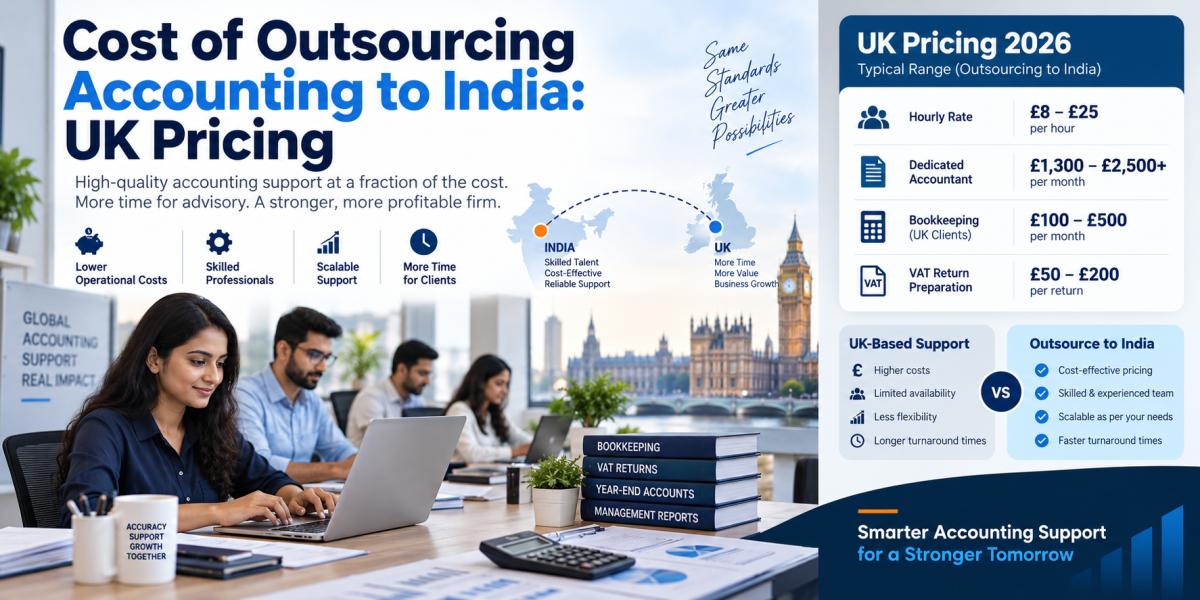
Rates can swing quite a bit, anywhere from £15 to £60 an hour; it totally depends on what kind of expertise you need. For that 10-20 hour range, expect to pay around £300 to £1,200 every month.
How do I find reliable micro-outsourcing partners?
Stick with UK-based freelancer platforms and professional networks. Always, and I mean always, ask for references and try a small test project before committing to anything big.
Can micro-outsourcing eventually turn into full-time roles?
Oh, absolutely. Loads of full-time hires actually started out as these smaller micro-outsourcing gigs, just to see if it was a good fit.
Are there any legal things I should be aware of?
Make sure your contracts are solid, covering things like confidentiality and what you expect from their work. Also, double-check they're set up correctly as contractors so you don't run into weird issues.
What's the best way to handle multiple relationships effectively?
Use project management platforms. That way, all your communication and deliverables stay in one central spot. Don't forget to schedule regular check-ins with everyone you're working with.
Honestly, micro-outsourcing is genuinely a game-changer for how small UK businesses snag the professional help they need. Its flexibility and how affordable it is mean freelancers, smaller agencies, and even startups can actually play on a more even field without all the financial pressure of full-time staff. Getting it right really comes down to carefully picking your tasks, talking clearly, and building good relationships with contractors who get what a small business needs. This path offers a solid way forward for companies caught between needing support and just not having the budget for permanent hires. Starting small, then growing gradually, lets businesses keep their standards high while freeing up cash for expansion opportunities. For small UK firms ready to step up their game without taking massive financial risks, micro-outsourcing is a pretty practical, proven answer that just expands right along with them.
Ready to Scale Your Business?
Connect with our experts to learn how our outsourcing solutions can drive growth.
Book a Discovery Call